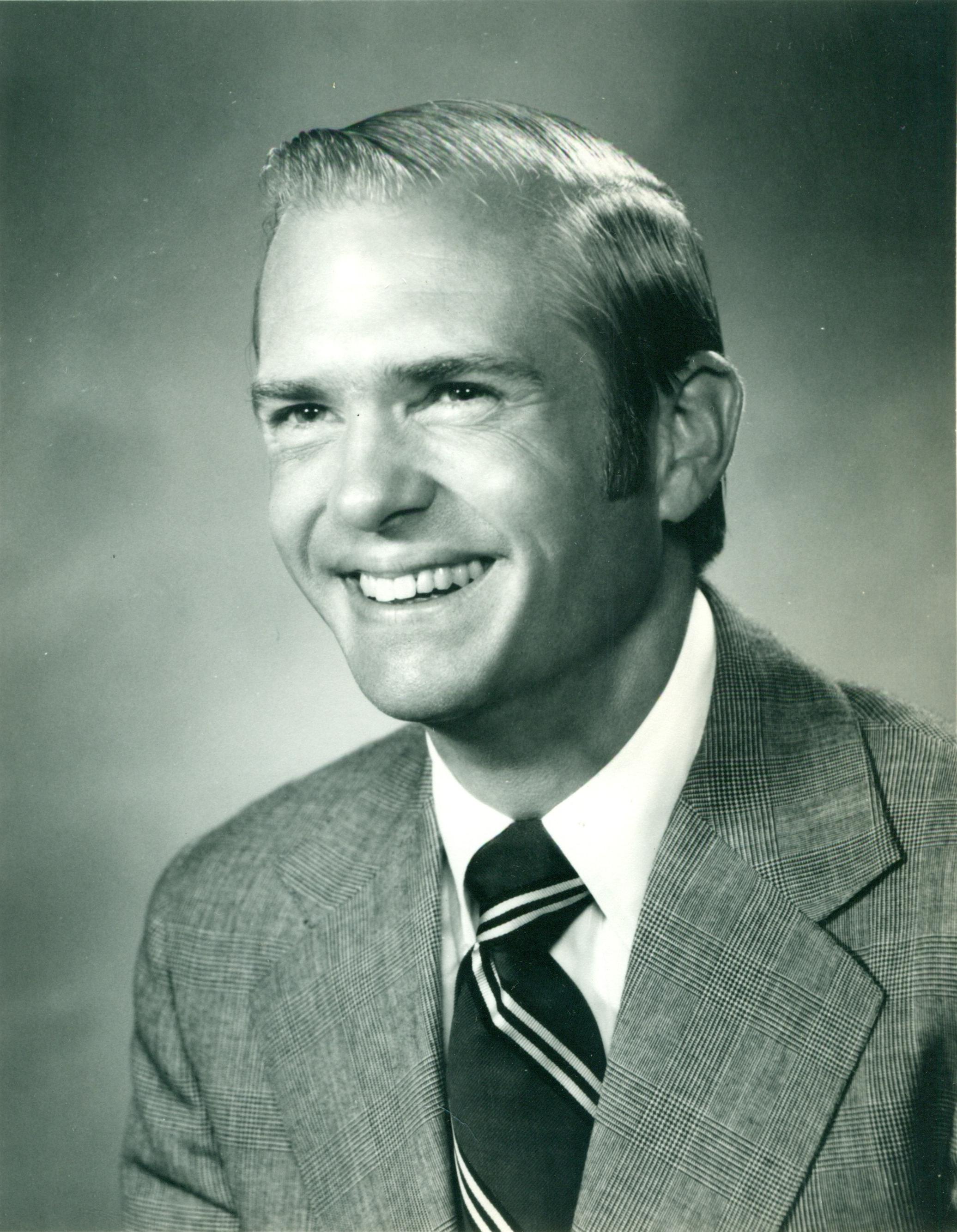
My uncle, Congressman Bill Steiger of Wisconsin, was elected to the United States Congress in 1966 at the age of 27. That same year, George H.W. Bush was elected to Congress for the first time. The two became fast friends.
In 1968, my uncle hired a young man named Dick Cheney as a Congressional Fellow. Years later, Vice President Cheney told me personally that Bill Steiger was the reason he made a career in politics — that he so admired his passion for the legislative process, his integrity, and his genuine love of service, that he decided this was a life worth giving himself to.
My uncle died in 1978 at the age of 40. He never knew what he had set in motion.
I think about that story often, especially now, as I watch a generation of young Americans trying to figure out whether their country is worth serving. The cynicism in our public life runs deep. The distrust of institutions is real. And the temptation to conclude that nothing you do will matter — that one person's convictions cannot bend the arc of history — is stronger than ever.
Bill Steiger did not set out to shape American public policy. He set out to serve Wisconsin. He set out to do the job in front of him with excellence and integrity. The rest was not something he could have planned or predicted.
That is how influence actually works. It is not the loud moment on the national stage. It is the daily choice to show up with character, to hire the right people, to take the legislative process seriously when it would be easier not to. It is the compound interest of faithfulness over time.
I was also blessed to meet and support President Reagan, President George HW Bush, President George W. Bush, Governor Mike Huckabee, Governor Asa Hutchinson, Senator John Boozman, and Vivek Ramaswamy along the way. Each of them, along with many others, in their own way, understood this. Service is not about the title. It is about the work.
My uncle left behind a legacy that he never saw. That is not a tragedy. That is faithfulness.
If you are a young person reading this who wonders whether your convictions matter, whether you are too young or too ordinary to make a difference — I want to tell you what Helen Walton told me when I said I was too young to serve as an elder in my church at 23: "You'll do just fine."
She was right. You will too.